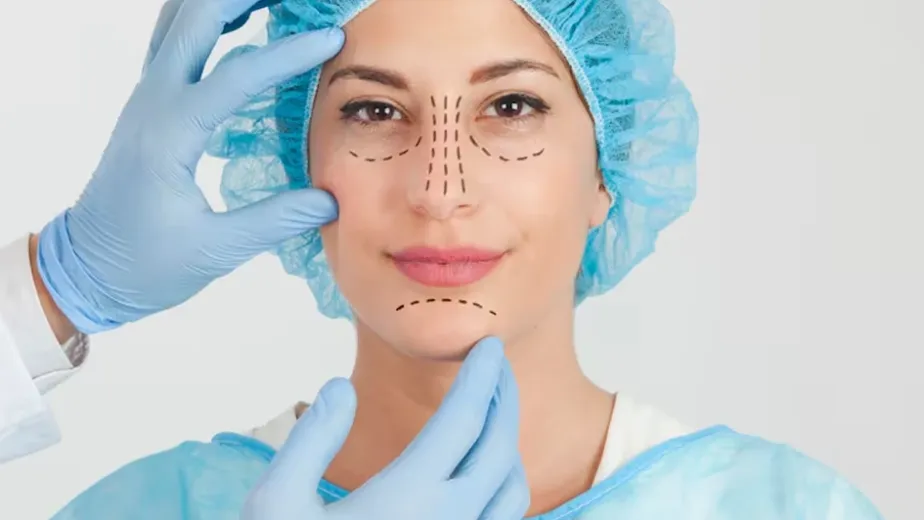
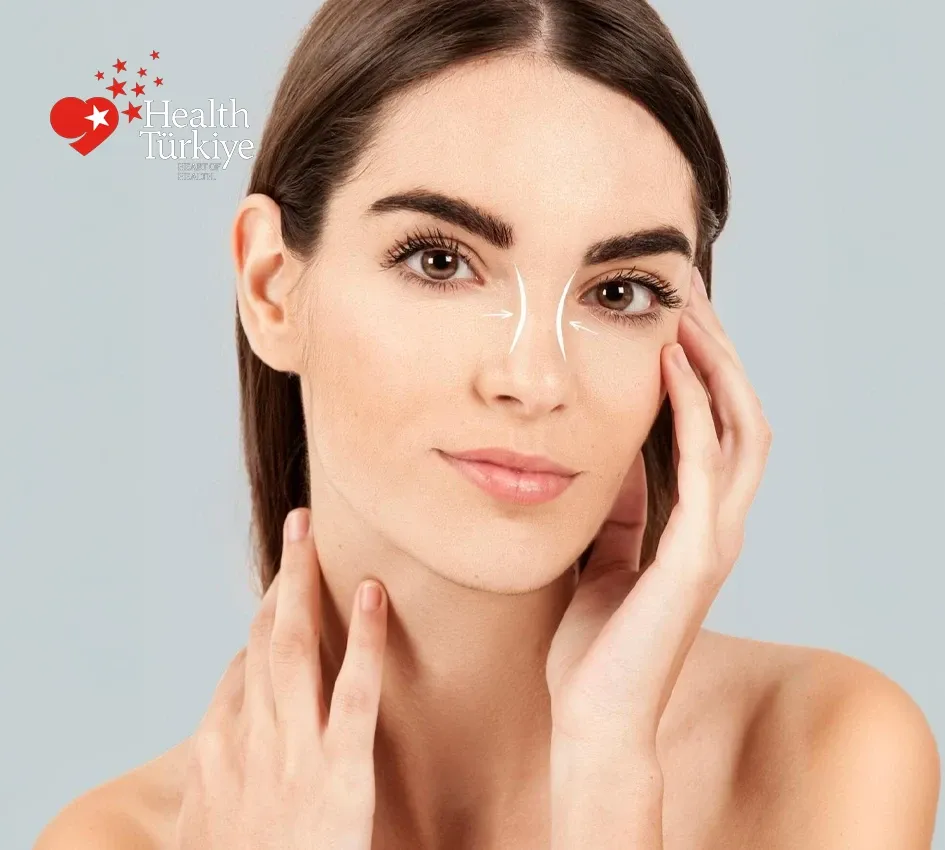
Which is better, open or closed rhinoplasty? This is where people get stuck more than anywhere else. You read in one place that the closed technique is superior because it leaves no scar. Somewhere else you read that the open technique gives more control. You come away more confused than when you started. The useful question isn’t which one is better. It’s which one is better for your nose.
What is the basic difference between open and closed rhinoplasty?
The core difference is where we reach the nose from. In the closed technique every incision is made inside the nostrils and there is nothing on the outside. In the open technique we add a small incision on the columella, the bridge of tissue that separates the two nostrils, and lift the skin of the nose upward.
That difference changes what we can see. With the skin lifted in the open technique, we work with a direct view of the framework, the cartilage and the tip. In the closed technique we work through a narrower opening with a more limited view. The open technique gives us a wide working area. The closed technique leaves nothing visible on the outside.
Which technique leaves a visible scar, open or closed?
In closed rhinoplasty we never make that external incision. The whole operation is done from inside the nose. Some of us call it scarless rhinoplasty, and that is exactly why patients worried about scarring are drawn to it.
In the open technique there is a small scar on the columella, in the middle of the nose. It usually isn’t very noticeable. In most of our patients it heals to the point where it looks close to no surgery having been done. Even so, the open technique does leave a small incision on the outside and the closed technique doesn’t. If scarring is your main concern, we weigh it against what your nose actually needs at the consultation.
Is healing faster after closed rhinoplasty?
Because the dissection is wider in the open technique, there can be slightly more swelling at the tip in the early period. That is where the idea of an easier recovery with the closed technique comes from.
By the end of the first week, though, there is no meaningful difference between the two in swelling or bruising. The aesthetic result and the breathing are comparable as well. So even if the open technique looks a little puffier in the first days, both methods end up in the same place. Swelling on its own doesn’t decide which technique we use.
Which nose suits the closed technique, and which suits the open one?
The open technique comes into its own where wide exposure and delicate work are needed. That means significant reshaping of the tip, complicated cartilage anatomy, and revision surgery on a nose that has been operated on before. The closed technique fits noses where a more limited, focused change is enough and no major structural work is required on the framework.
Neither one is absolutely better than the other. A complex tip is safer with the view the open technique gives. A smaller correction is both scarless and perfectly adequate through the closed technique. What creates the right match isn’t the technique, it is what your nose needs.
How is the rhinoplasty technique chosen, and what decides it?
Five things decide it. The bone and cartilage structure of your nose, the state of the tip, how extensive the change will be, whether you have had surgery before, and what you are expecting.
At the consultation we start with an external analysis. Then we look at the anatomy inside the nose and at your airway, using a few maneuvers to see whether your breathing changes. But that is only a small part of the job. The larger part is what kind of nose you have in your head, and whether it meets our own aesthetic judgment at the same point. We run a three-dimensional simulation, we work on your photographs, and we ask you to show us noses you like.
Whichever technique we work with, in every patient it suits we use the tissue-sparing approach, preservation rhinoplasty. Here we shape the nose while protecting the bridge and the ligaments as far as we can. Healing is quicker and the result looks more natural.
So there is no right technique in the abstract. There is the one we choose for your nose.
Frequently Asked Questions
Is closed rhinoplasty always better than the open technique?
No. The closed technique leaves nothing visible on the outside, but it gives us a limited view. Where complex tip work or a revision is needed, the open technique is the better fit. Which one is right for you depends on the structure of your nose.
Will the scar from open rhinoplasty be noticeable?
The incision sits in the middle of the nose, on the columella. In most of our patients it heals until it looks close to no surgery having been done. Even so, unlike the closed technique, there is a small external incision, and you should know that going in.
Is recovery quicker after closed rhinoplasty?
There can be slightly more swelling in the first days with the open technique. By the end of the first week there is no clear difference between the two in swelling or bruising. The gap in healing is usually smaller than people assume.
Do I get to choose between open and closed rhinoplasty?
We decide together. First we listen to what you want, then we assess the structure of your nose at the consultation and explain which technique will give you the right result. We perform both, and we choose based on what your nose needs.
Alongside the choice of technique, our articles on scarring and when you can go back to sport are worth a look as well.
Dr. Alper Eskalen chooses between the open and closed techniques for each patient, with all of these details in mind.