
The first thing patients ask me at a consultation usually isn’t about the operation itself. What happens after this appointment, how many times will I come in, which tests will I need, how do I reach you once I am discharged?
We operate every day. You may go through this once in your life. Being anxious about it is entirely reasonable, so here is the whole path from beginning to end.
Where does the consultation before cosmetic surgery actually begin?
It begins the moment you walk into the room. Before you have even sat down, I have done a good part of the analysis just by looking at your face or your body. That comes with experience.
In the conversation we start with your medical information: your family history, whether you have had operations before, the medications you take and any allergies. If you have had anesthesia before, we talk about that experience too. None of this is paperwork. It shapes the surgical plan and the anesthetic plan directly.
Bring a list of the medications you take and any old test results with you. Having someone you trust with you helps as well, because holding everything said in a consultation in your head isn’t easy.
How do we understand what you expect from surgery?
The physical part of the consultation, where we assess the tissue and the bone structure, is the smaller part of the job. In rhinoplasty it accounts for about 10 percent. The other 90 percent is understanding the result you want.
We use three things together for that. We run a three-dimensional simulation for you. We analyze your photographs. And there is one thing many surgeons would rather avoid that we specifically ask for: show us results you like. That can be work done by other surgeons, an image you have seen on social media, or simply your description of the shape you have in mind.
Put those together and we have a concrete target. From there we start talking about whether that result will suit you, and whether we can achieve it. We don’t want you leaving the room with unanswered questions.
What happens if your expectations and our aesthetic judgment don’t match?
Sometimes they don’t line up, and when that happens we tell you plainly.
If your expectations aren’t realistic, or if we don’t believe we can reach that result anatomically or technically, we say so at the consultation. Then we talk about the result we genuinely can achieve. A very upturned, artificial-looking nose, or one narrowed so far that it makes breathing difficult, isn’t a result we want to produce. Technically, making a nose like that is far easier than creating a natural one. The satisfying part of this work is getting the natural result.
If our expectations do line up, we set out on this together. That is the single biggest factor in both of us being happy afterward.
Which tests and preparations come before surgery?
Once you have decided, we ask for pre-operative tests. A blood count, clotting tests, kidney function and blood sugar, and an ECG where it is needed. Which tests we ask for isn’t the same for everyone, and we choose them according to your age and any existing conditions. We no longer ask every patient for a routine chest X-ray.
The anesthesia assessment is a separate step. The anesthesiologist meets you, examines your airway, your lungs and your heart, and goes back over your medications and allergies. We update that assessment within the 48 hours before surgery.
We give you the schedule for your tests and your anesthesia appointment when we book your surgery date. Three things matter in the weeks before the operation:
Smoking. We ask you to stop 3 to 6 weeks before surgery and to stay off it for the same period afterward. Nicotine narrows the blood vessels and reduces the oxygen reaching your tissue. What follows is delayed wound healing, tissue loss, thick and wide scars, and infection. The risk of a complication after surgery is 2 to 3 times higher in smokers than in non-smokers.
Medications and herbal supplements. If you take a blood thinner, tell us, and don’t stop it on your own. We and the doctor who prescribed it decide together when it should be stopped. Herbal supplements you don’t need should stop 2 weeks before surgery. Garlic, ginkgo biloba and turmeric all increase bleeding.
Fasting. You will come in fasting on the morning of surgery. Stop solid food at least 8 hours beforehand, and a heavy, fatty or meat-based meal at least 8 hours beforehand. You can drink clear fluids such as water up to 4 hours before. Even so, go by the time we give you.
What happens in the first 24 hours after cosmetic surgery?
The first 24 hours are the most important period for every one of our patients, and most of them spend that time in hospital. How many nights you will stay for your particular operation is something we discuss when we decide on surgery.
When we discharge you, we go through your instructions one at a time. Which medication to take, how to eat, which movements you can make, and the warnings beyond those.
When do you come back for check-ups after surgery?
We stay in contact with you after surgery. Questions come up beyond the instructions we have given, and answering them is part of making this an easier process for you.
Check-up appointments vary by operation. We give you the day of your first appointment, the date your stitches or packing come out, and the schedule for later visits according to the operation you have had.
Frequently Asked Questions
How long does it take from the first consultation to surgery?
It depends on how quickly your tests and anesthesia assessment are completed, on how long you need to stop smoking if you smoke, and on your own schedule. We set the exact timeline together at your consultation.
How many times do I need to come in for a consultation?
For most of our patients the decision is made in a single appointment. If you leave with questions, there is nothing wrong with arranging a second one.
Is it a good idea to bring photographs of results I like?
It is, and we specifically ask for it. It is the fastest way for us to understand what you are expecting.
Can I stop my medication myself before surgery?
Don’t. Stopping a blood thinner on your own is particularly risky. We and the doctor who prescribed it decide together which medication stops and when.
What to look for in a surgeon is covered in how to choose the right plastic surgeon . And for the return-to-sport timeline, the part of follow-up patients ask about most, exercise after rhinoplasty is worth a look.
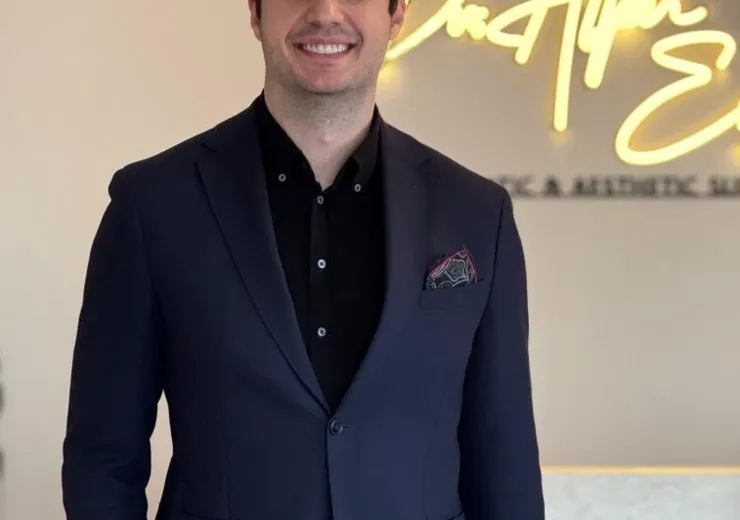
Dr. Alper Eskalen guides patients through the surgical process with all of these details in mind.