
There are cosmetic procedures that can be done without general anesthesia, and there are more of them than you'd think. One sentence comes up often: "I'm not afraid of the surgery, I'm afraid of being put to sleep." Some have put off an operation they wanted for years, for that reason alone. In fact a good part of the cosmetic surgery we do can be carried out under local anesthesia, without going to sleep. The list is wider than most patients expect, but its limits are clear.
Which cosmetic procedures do we perform without general anesthesia?
There are six procedures we can carry out in most patients without putting them to sleep, by numbing the area alone:
- Breast augmentation with the Preserve technique
- Upper eyelid surgery
- Ear surgery for prominent ears
- Buccal fat removal, known in some places as the Hollywood cheek
- Lip lift
- Scar revision, in suitable patients depending on the size of the scar
I've written about all six. There are also separate detailed articles on upper eyelids, prominent ears and buccal fat removal. But let me say this at the start: this isn't a list of rules. The same operation may well be done under general anesthesia at another center, and that doesn't make it wrong. With my own technique, I usually don't need general anesthesia for these six.
Is breast augmentation while awake really possible?
Breast augmentation with the Preserve technique is the operation I perform most often, and I do it under local anesthesia. It works like this: we numb the breast so the area loses sensation. We give a small amount of sedation just for the numbing itself, so you don't feel pain during that part. The rest we complete with you awake, talking to you. The whole procedure takes about 30 to 40 minutes.
What makes that possible is the technique itself. In Preserve we don't cut tissue. We open a small tunnel and, at the end of it, push the tissues aside to create the pocket where the implant will sit. Because no tissue is cut, the procedure takes less time and stays within a range that numbing can cover. In classic breast augmentation the tissues are cut under direct vision, so the same thing isn't possible.
For patients who have been putting off breast augmentation because general anesthesia worries them, this is a genuinely important alternative. But I have to say that the technique isn't right for everyone. We assess whether it suits you at the consultation.
Why is upper eyelid surgery suited to local anesthesia?
We can carry out upper eyelid surgery in most patients without putting them to sleep. The area around the eye is superficial, so numbing works well there and your comfort holds through the procedure. Because you're awake, I can ask you to open and close your eye during the operation, and that helps with judging symmetry.
What decides it here is the structure of your eyelid. If there's only excess skin, the work is more limited. When a dropped brow or a loss of strength in the eyelid muscle is added to the picture, the plan changes, and in some patients a different approach is needed. We settle that together at the consultation.
Does ear surgery for prominent ears need general anesthesia?
In adult patients we can do ear surgery without putting them to sleep, and general anesthesia isn't needed. We reshape the ear cartilage and correct the angle of the ear to the head. The incision stays behind the ear, so it isn't visible from the front.
With children it's different. You can't expect a young patient to stay still through a procedure, so there we weigh the choice of anesthesia separately, according to age and how well the child can cooperate.
Can buccal fat removal and a lip lift be done under local anesthesia?
We can do both in most patients without putting them to sleep.
Buccal fat removal takes out part of the fat pads in the cheeks. In some places it's known as Hollywood cheek surgery. The procedure is done from inside the mouth, so no incision is left on the outside. But let me be clear: this procedure isn't right for everyone. Reducing cheek volume in a patient whose face is already slim can make the face look more tired than it is in later years. When I'm deciding, I look not only at how you appear today but at how your face will change over the years.
A lip lift is an operation we do in patients where the distance between nose and lip is long. It increases the visible part of the upper lip and corrects the proportion between lip and nose. What separates it from filler is that it lasts and that it works with the lip's own tissue.
In which patients is local anesthesia enough for scar revision?
Scar revision is what we do to make a visible scar less noticeable. What decides it here is the size of the scar. For small, contained scars, numbing is usually enough. If the scar is wide, spread over more than one area or involves deeper tissue, we've gone past what numbing can cover and we change the plan.
Managing expectations matters especially in scar revision. We don't remove the scar, we make it less noticeable. One of the most important variables in the result is your skin. In skin prone to keloid, we set the target accordingly.
Is local anesthesia right for every patient?
No. Local anesthesia is an option that makes an operation easier, not an option that is better in every situation.
I look at three things:
- The operation itself. Go beyond the six above and local anesthesia usually isn't enough.
- Your general health and the medication you take.
- Your level of anxiety. Being awake is reassuring for some patients and the opposite for others. In a patient I know will stay tense throughout, choosing general anesthesia is the better call.
We talk all three through at the consultation. The anesthesia method isn't a detail that comes after the decision to operate. It's part of the decision itself.
Frequently Asked Questions
Will I feel pain while the local anesthetic is given?
There can be a short burning feeling as the area is numbed. In the Preserve technique we give a small amount of sedation at that stage, so you don't feel that moment either. For the rest of the procedure the area is numb and we don't expect pain. A sense of touch and pressure can continue, and that's normal.
Can I go home the same day after an operation under local anesthesia?
That depends on the operation and on your situation. We discuss how many hours you'll be under observation for which procedure at the appointment where we decide on surgery.
I'm afraid of general anesthesia. Can I ask for local anesthesia just for that reason?
I'll always listen to what you want, but that alone doesn't decide it. If the operation can't be completed safely under local anesthesia, we don't take that route. Talking about where your fear comes from is part of the process too. Most of the time, explaining it brings the anxiety down.
Is local anesthesia safer than general anesthesia?
They're two different methods and both are safe in the right patient. The advantage of local anesthesia is that it affects the body less and recovery is quick. But insisting on local anesthesia for the wrong operation isn't a safe choice. The right question isn't which one is safer, it's which one is right for you.
Upper eyelid surgery and buccal fat removal are worth reading too.
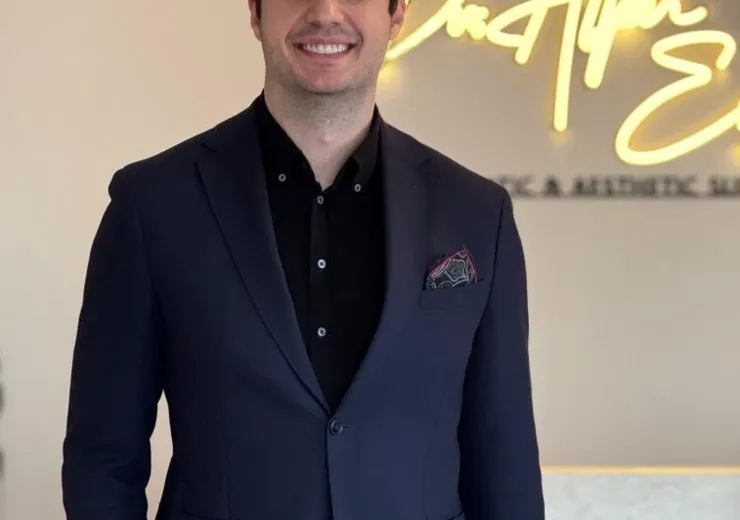
Dr. Alper Eskalen weighs all of these details when he assesses patients for operations under local anesthesia.
Links in This Article
Breast Augmentation with the Preserve Technique (service page)
Can Upper Eyelid Surgery Be Done Under Local Anesthesia?
At What Age Is Prominent Ear Surgery Done?
What Is Buccal Fat Removal (Hollywood Cheeks) and Who Is It For?