
Upper eyelid surgery can be done under local anesthesia in most patients, with no need for general anesthesia. Most patients open with the same sentence: "I look tired, and I'm not tired." Excess skin on the lid weighs the gaze down and makes you look more tired than you are. We can carry out upper eyelid surgery in most patients under local anesthesia, which means general anesthesia isn't needed. The real subtlety isn't in the anesthesia, it's in correctly working out what is sagging in whom. You can read about the other procedures we can do under local anesthesia in Which Cosmetic Procedures Can Be Done Without General Anesthesia? is worth a look.
How is upper eyelid surgery done under local anesthesia?
Eyelid surgery involves a superficial area around the eye. That’s why local anesthesia works well here and is enough on its own in most patients.
The procedure goes like this:
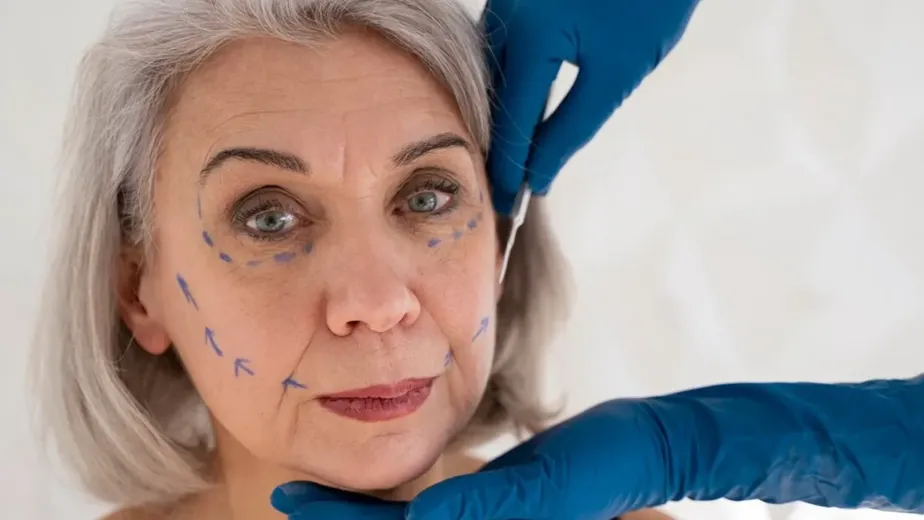
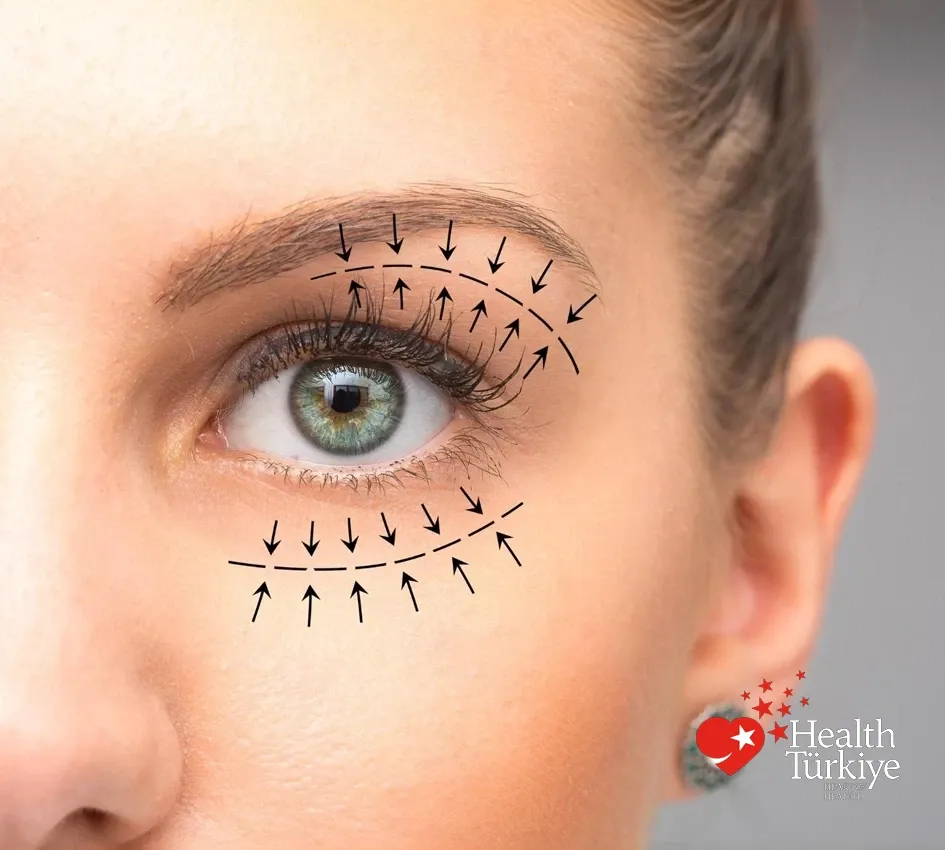
- Marking. With you sitting up and your eyes open, I mark the amount of skin to be removed. This stage can't be done lying down, because the skin shifts when you lie back.
- Numbing. We give local anesthetic to the area. There can be a short burning feeling, and then the area goes numb.
- The procedure. We remove the excess skin and, where needed, a small amount of muscle and fat.
- Closing. We close with fine sutures.
Being awake has one advantage: I can ask you to open and close your eye during the procedure. That makes it possible to judge the symmetry of the two sides live.
Who is upper eyelid surgery for?
The answer is more detailed than you'd expect, because there are three different pictures on the upper eyelid that look similar, and the answer isn't the same for all three.
- Excess skin alone. With age the skin loses its elasticity and the eyelid starts to sag. This group is what blepharoplasty is really aimed at.
- A dropped brow. Here the problem isn't in the eyelid, it's that the brow has come down. Remove skin alone and the brow comes down further, and the look isn't what you wanted. In these patients the plan changes.
- Loss of strength in the eyelid muscle. We call that ptosis. The muscle that lifts the eyelid has lost strength. Removing skin doesn't correct that picture, because the problem isn't in the skin, it's in the muscle.
The first thing I do at the consultation is separate these three. In most patients the picture isn't one alone, it's two together. I can only build the right plan after that's been separated out.
Does eyelid surgery leave a scar?
We place the incision in the eyelid's own natural crease. Once healing is complete the scar sits inside that crease and isn't visible when your eye is open.
One of the most important variables in how the scar heals is your skin. In skin that's prone to scarring, healing can take longer and the scar can stay red for a while. We talk about that from the start at the consultation, so your expectation is realistic.
In the first weeks the scar looks noticeable, and that's normal. It fades over time and moves closer to the surrounding skin tone. But let me pass on the reality as it is: every surgical incision leaves a scar. Our aim isn't to remove the scar, it's to put it somewhere it won't be seen.
How does recovery go after eyelid surgery?
In the first few days we expect swelling and bruising. Cold compresses and keeping your head raised help in that period. We usually take the sutures out within the first week, and we set the exact day at your check-up based on how you're healing.
For most patients, going back to social life happens somewhere between a few days and a week. But how long the bruising lasts varies noticeably from person to person, so if you have something important coming up, we plan the date around it.
The eye taking its final shape takes longer. A small amount of swelling continues through the first months, and we only judge the result once that has resolved. What you see in the mirror in the first week isn't the result.
Is the effect of upper eyelid surgery permanent?
The skin we remove doesn't come back. In that sense the result is long-lived.
But aging carries on. Over the years your skin will keep losing elasticity and the area around your eye will change. What decides how long the result holds is your skin, your sun exposure and whether you smoke. In a patient who smokes, skin aging speeds up noticeably, and we talk about that before surgery.
Let me also say one thing plainly: this procedure doesn't make you younger, it makes you look rested. That difference matters. Our aim isn't to give you someone else's eyes, it's to get you to your own rested self.
Frequently Asked Questions
Is upper eyelid surgery painful?
Apart from the short burning as the area is numbed, we don't expect pain during the procedure. Afterward there can be a mild tightness and stinging, which passes in a few days and is controlled with simple painkillers.
Can the lower and upper lids be done in the same session?
They can, but that isn't the right choice in every patient. The lower eyelid is a different area, it needs a different technique and it takes longer to heal. We decide at the consultation whether to combine the two.
At what age should eyelid surgery be done?
What decides it isn't age, it's the picture. In some patients excess skin shows up in their forties, in others it isn't a problem even at sixty. Genetic predisposition plays a large part here. If there's enough excess skin to close off your gaze, age is no reason to wait.
Does eyelid surgery affect my vision?
If the excess skin has increased enough to block the upper part of your visual field, you may notice that area opening up after the procedure. Beyond that, the procedure has nothing to do with your visual sharpness.
The other procedures we can do under local anesthesia and the question of age in ear surgery for prominent ears are worth reading too.
Dr. Alper Eskalen weighs all of these details when he assesses patients for upper eyelid surgery.
Links in This Article
Which Cosmetic Procedures Can Be Done Without General Anesthesia?