

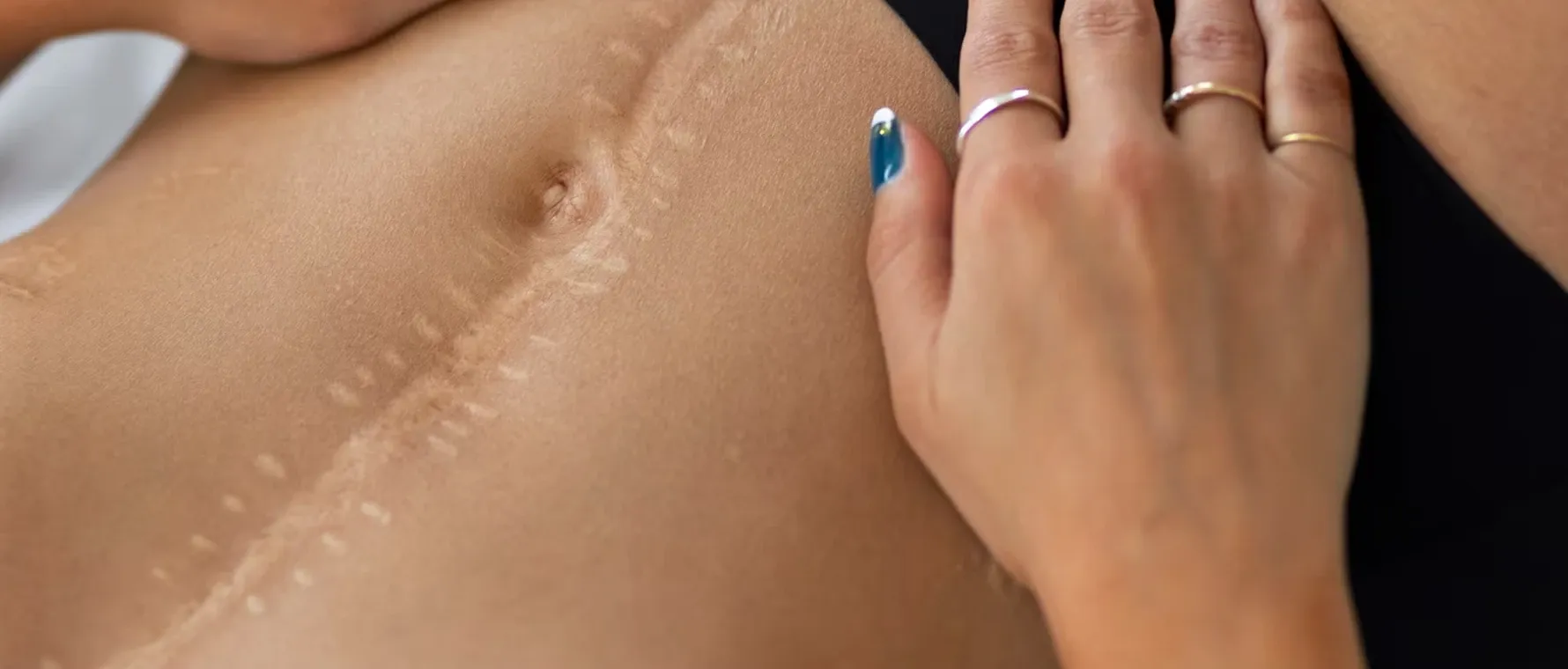
Cosmetic surgery is an exciting step towards achieving the look of your dreams. Procedures such as breast augmentation, tummy tuck or facelift increase self-confidence by improving body contours. In this journey, one of the issues that patients are most curious and worried about is the scars that will remain after surgery. It should not be forgotten that every surgical procedure in which the skin is cut heals with a scar by nature. However, with modern surgical techniques and proper scar management, it is possible to make these scars almost invisible.
The basic principle of plastic surgery is to plan and suture incisions so that they are the least visible. As Dr. Alper Eskalen, we combine our surgical mastery by hiding the incisions in the natural curves of the body (such as the under-breast line, groin area) and approaching the tissue in the most sensitive way. However, achieving the perfect result is a teamwork and you have an important role in this process.
Here is what you need to know and a step-by-step scar management guide to have less prominent scars after plastic surgery:
1. Your Surgeon's Instructions are the Golden Rule
Above all, it is critical that you follow your surgeon's instructions for postoperative care to the letter.
- Dressing and Care: Follow the instructions on how to clean the wound site, when to change dressings, etc.
- Stitches If your stitches are not self-dissolving, make sure you attend your appointment at the appointed time to have them removed.
- Activity Restriction: Avoid sudden movements, heavy lifting and strenuous exercises that can cause tension in the wound line, especially in the first weeks. A stretched wound will heal with a larger and more prominent scar.
2. “Zero Tolerance” for Smoking”
Smoking is the worst enemy of wound healing. Nicotine and thousands of other toxic substances cause blood vessels to constrict. This severely reduces the blood flow to the wound site and therefore the amount of oxygen and nutrients. The result:
- Wound healing is delayed.
- Increased risk of infection.
- A worse and more prominent scar tissue is formed.
Quitting smoking completely at least 4 weeks before and 4 weeks after surgery is one of the most important investments you can make for a better scar quality.
3. Sun Protection: Prevent Darkening of Scars
A fresh surgical scar is extremely sensitive to the sun. UV rays can trigger pigment production in the healing tissue, causing the scar to darken permanently (hyperpigmentation).
- Protect your scars from direct sunlight for at least 6 months after surgery.
- Keep the area covered with clothing or plasters.
- In areas such as the face where it is not possible to cover with clothing, 30 minutes before going out SPF 50+ Apply a physical sunscreen based on zinc oxide or titanium dioxide with a high protection factor and renew every 2-3 hours.
4. Silicone Based Creams and Tapes
Once your stitches have been removed and the wound is completely closed (usually week 2-3), the most effective products for scar management are silicone-based gels and patches. Scientific studies have proven the effectiveness of silicone in scar treatment.
- How does it work?: The silicone forms a protective layer over the wound, keeping the area moist. This ideal environment regulates collagen production and prevents excessive, uneven collagen deposition (hypertrophic scar or keloid formation).
- Usage: Using the silicone gel or patch recommended by your surgeon regularly for 12-24 hours a day for at least 3 months will help the scar to heal flatter, softer and paler in color.
5. Nutrition and Hydration
Your body needs quality building blocks to repair a wound.
- Protein: Eat enough protein (meat, fish, chicken, eggs, legumes) for collagen production, which is the basis of wound healing.
- Vitamins Vitamin C (citrus fruits, peppers, broccoli) and vitamin A (carrots, sweet potatoes) are especially critical for collagen synthesis and cell renewal.
- Su: Drink at least 2-2.5 liters of water a day to maintain skin elasticity and health and support the healing process.
Remember, it can take 1 to 2 years for scars to reach their final appearance. Being patient during this process and following the right care routine will maximize the satisfaction of your plastic surgery result. As Dr. Alper Eskalen and his team, we are here to guide you through every step of this process.