
Advertising, a special offer and a follower count tell you nothing about whether a surgeon can operate. Look instead at the things you can actually verify, and there aren’t many of them. Below I go through which document to ask for, what to ask at the consultation and what to watch for. I’m not trying to point you toward one name. I want you walking in as the kind of patient who asks the right questions.
What should you look at first when choosing a plastic surgeon?
The first thing to check is the doctor’s official field of specialty. In Turkey, the specialty for surgical aesthetic procedures is Plastic, Reconstructive and Aesthetic Surgery. Performing aesthetic procedures and having trained in the field are not the same thing. Someone describing themselves as an “aesthetic physician” isn’t telling you they are a plastic surgery specialist. So make your first question a clear one: is this doctor a specialist in Plastic, Reconstructive and Aesthetic Surgery?
Which documents should you ask a plastic surgeon for?
Plastic, Reconstructive and Aesthetic Surgery is a primary specialty. A doctor who finishes medical school enters the field through the Medical Specialty Exam and completes 5 years of specialty training. The Ministry of Health then issues a specialty certificate. That certificate is the document you can verify.
Ask your surgeon to see it. It is an ordinary request and nobody will find it strange. Beyond that, academic background, membership of professional societies and additional qualification certificates all tell you something. International certifications such as the European board examination aren’t required, but they add to the picture of a surgeon’s training.
Why does the place where the operation happens matter so much?
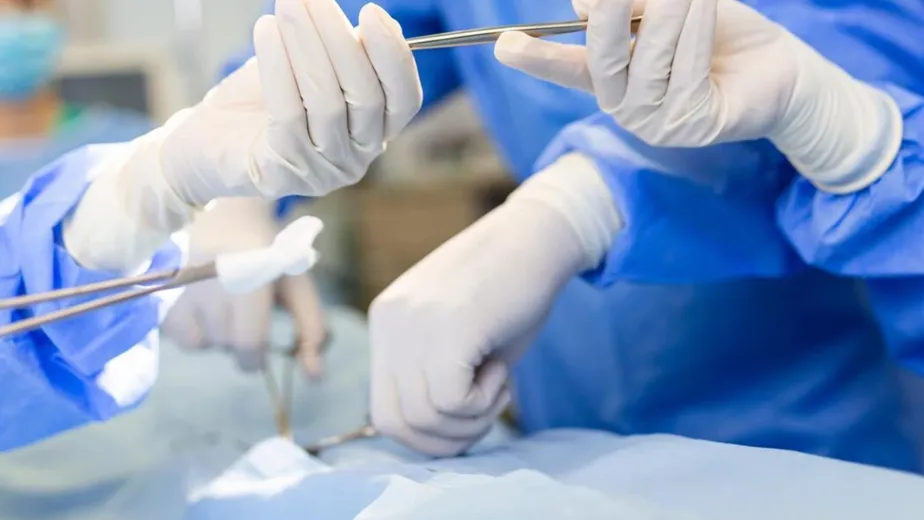
The setting decides your safety as much as the surgeon does. Surgical procedures should be performed in licensed healthcare facilities, in proper operating room conditions. For anything requiring anesthesia, having an anesthesiologist involved and the means to intervene if something goes wrong is what matters most for you. Ask where your operation will take place, under which anesthesia and with which team. Don’t make a decision until you have a clear answer.
What should you pay attention to during the consultation?
Most of a good consultation goes on understanding what you want, not on the physical examination. Assessing the tissue and the bone structure is the smaller part of the job. The real part is the conversation about the result you have in your head.
We use three-dimensional simulation and analysis on photographs for that. Showing results you like helps too, because it is the quickest way to convey what you are after. You should leave the room without unanswered questions. If you don’t, ask for a second appointment.
How should you read before and after photos?
Photographs give you an idea. They aren’t a decision-making tool on their own. Every face and every body is different, and another patient’s result won’t map directly onto yours. Read the photographs alongside what the surgeon predicts for your tissue. In a good consultation you are told what is genuinely achievable in your case, not what the ideal outcome looks like.
If your expectations and the surgeon’s aesthetic judgment don’t line up, you should be told so plainly. If the result you want isn’t reachable anatomically or technically, the right thing to do is say that at the consultation. Take seriously the surgeon who explains the limits, not the one who promises everything.
What does good communication with a surgeon look like?
Working with someone who listens, answers your questions patiently and explains the risks and the recovery rather than only the benefits makes the whole process easier. Being able to reach them afterward matters too. In the first 24 hours and the days that follow, you need somewhere to take your questions. A surgeon who doesn’t rush your decision, and who gives you time to think, is a good sign in itself.
Which questions should you ask at the consultation?
Going in prepared puts you in a stronger position. Don’t hesitate to ask:
- How many times a year do you perform this operation?
- Which technique suits my case, and why?
- Where, under which anesthesia and with which team will the surgery be done?
- How will recovery go, and when can I go back to work?
- What are the possible risks and complications?
- What happens if the result I am expecting isn’t achieved?
A consultation where you can ask these comfortably and get straight answers is a good sign on its own.
Frequently Asked Questions
Can any doctor perform aesthetic procedures?
No. The specialty for surgical aesthetic procedures is Plastic, Reconstructive and Aesthetic Surgery. Ask to see the specialty certificate of whoever will perform your operation.
Is it rude to ask a surgeon for their credentials?
It isn’t. You are making a decision about your health. Seeing the document is entirely your right.
Is a surgeon with before and after photos more trustworthy?
Photographs give you an idea, but they aren’t the only measure. Credentials, the operating environment and a realistic consultation all count together.
Should I choose a surgeon based on the quote I am given?
Don’t make this decision on cost. Qualifications, operating room conditions and safety come first.
Whether the question in front of you is breast lift or implants or a process question like exercise after rhinoplasty , it is the surgeon you choose who should be settling it with you.
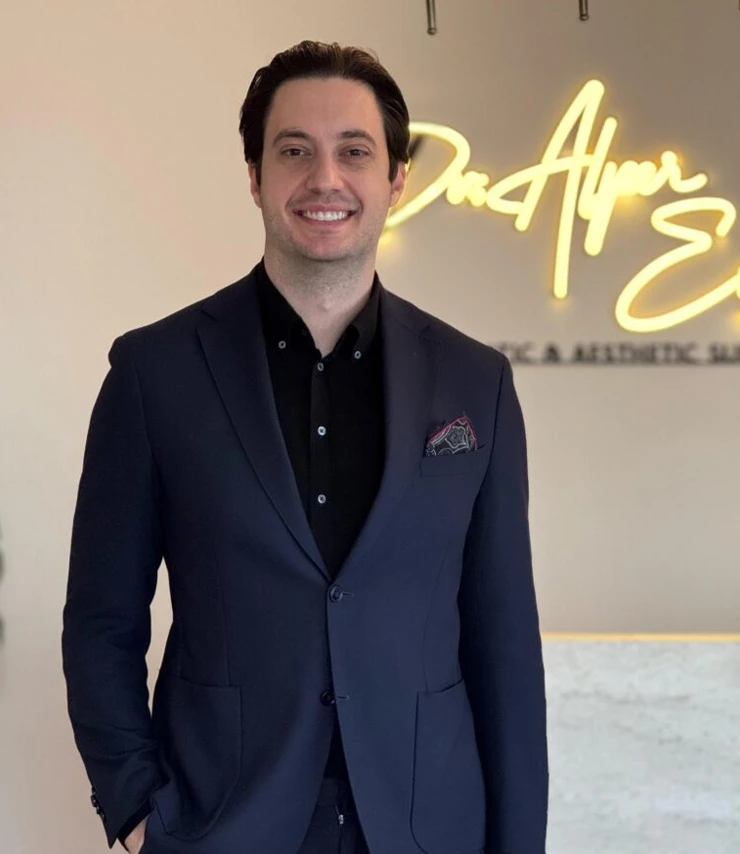
Dr. Alper Eskalen talks patients through the choice of surgeon with all of these details in mind.